

Have you ever woken up feeling like you need three cups of coffee just to convince your body to leave the bed? You’re not alone. Sometimes, everyday life becomes a cycle of sitting, scrolling, worrying, and promising yourself that tomorrow will be different. Then tomorrow arrives, and somehow the couch wins again.
That’s where the idea behind kiolopobgofit comes in. Although the term doesn’t have a clearly established scientific definition, we can explore it as a playful concept for building enjoyable daily habits, staying active, and making room for a more balanced lifestyle. Small changes don’t need to feel like punishment. A short walk, a good laugh, or a relaxing evening can make an ordinary day feel a little better.
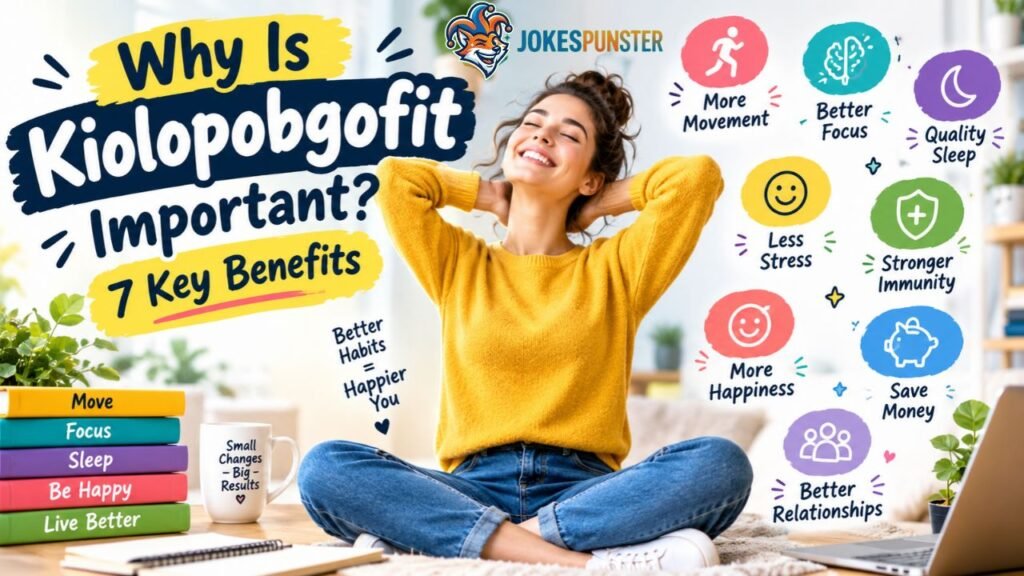
So,Why Is Kiolopobgofit Important? Let’s explore how simple, realistic habits can fit into daily life without turning your schedule into another full-time job.
It Tricks You Into Moving (Without the Groaning)

Let’s be honest: exercise doesn’t always sound effect. After a long day, the thought of changing clothes, finding your shoes, and heading to the gym can feel like an Olympic event before you’ve even started.
The trick is to make movement part of activities you already enjoy. You don’t need to turn every afternoon into an intense workout. Sometimes, a little movement is easier to maintain when it feels natural rather than forced.
Here are a few simple ideas:
- Take the stairs when it’s practical instead of automatically choosing the elevator.
- Dance to your favorite song while preparing dinner.
- Walk around the neighborhood while catching up with a friend on the phone.
- Stretch your shoulders and legs after sitting at your desk.
- Turn gardening into an opportunity to spend time outdoors.
- Play tag or kick a ball around with your children.
- Walk to a nearby shop when the distance and conditions make it reasonable.
- Put on music and make household cleaning a little more entertaining.
- Try a beginner-friendly dance video if you enjoy learning new moves.
- Take short movement breaks during long periods of sitting.
The goal isn’t to burn a particular number of calories every time you move. It’s to find activities you can repeat without dreading them. Consistent movement can support overall health, while your preferred activities make it easier to keep going.
And if you trip over your own feet while dancing in the kitchen? At least nobody charged you for admission.
Your Brain Stops Playing Hide-and-Seek with Focus
You walk into a room, stop, and completely forget why you’re there. Your phone is in your hand, but you’re searching for it anyway. Meanwhile, your to-do list looks like a novel you never agreed to read.
These moments happen to many people, especially when they’re tired, distracted, or trying to handle too many things at once.
Kiolopobgofit, understood here as a reminder to develop healthier everyday habits, can encourage routines that make concentration easier to manage. It isn’t a proven treatment for brain fog, but certain practical habits may help support attention and mental well-being.
Try these approaches:
- Work on one important task before opening five unrelated tabs.
- Take brief breaks when your concentration starts slipping.
- Keep a notebook or digital list for tasks you might otherwise forget.
- Put your phone away when you need uninterrupted attention.
- Read a few pages of a book instead of scrolling whenever you have a spare moment.
- Break large assignments into smaller, manageable steps.
- Get enough sleep and maintain a reasonably consistent sleep schedule.
- Make time for enjoyable conversations and activities that challenge your mind.
It’s also helpful to remember that concentration isn’t a measure of personal worth. Some days, your brain will feel sharp. On others, remembering your shopping list may deserve a small celebration.
If persistent or worsening concentration problems interfere with everyday life, consider speaking with a qualified healthcare professional rather than assuming that lifestyle changes alone will solve the issue.
Sleep Comes Easier Than a Lazy Cat
Sleep is one of those things that seems simple until you actually try to do it. You lie down, close your eyes, and suddenly remember an awkward conversation from seven years ago. Your brain then decides it’s the perfect time to plan your entire future.
A consistent bedtime routine may help you prepare for better sleep. Although kiolopobgofit isn’t an established sleep treatment, the idea of making small, supportive habits part of your day can be useful.
Consider these simple changes:
- Go to bed and wake up at roughly the same time each day.
- Give yourself time to unwind before getting into bed.
- Keep your bedroom comfortable, quiet, and reasonably dark.
- Reduce stimulating screen use near bedtime if it makes settling down harder.
- Avoid consuming caffeine late in the day if it affects your sleep.
- Try a relaxing activity, such as reading, gentle stretching, or listening to calm music.
- Get regular daytime movement when possible.
- Avoid turning your bed into a second office.
Don’t expect one perfect evening routine to fix every sleep problem overnight. Healthy habits often take time, and sleep difficulties can have several causes.
If you regularly struggle to sleep, feel exhausted during the day, or experience persistent insomnia, seek appropriate medical advice. You deserve more than another night of negotiating with your pillow.
Stress Melts Like Ice Cream on a Hot Day
Life has a remarkable talent for delivering three problems on the same day. Your internet stops working, an important deadline moves closer, and someone asks why you’re looking so stressed. Helpful timing, right?
You can’t control every frustrating situation, but you can develop ways to respond to everyday pressure. Building small moments of relaxation into your routine may help you feel more prepared to handle difficult days.
Here are some realistic ideas:
- Take a few slow, comfortable breaths when you feel overwhelmed.
- Step outside for a short walk if your surroundings allow it.
- Talk to someone you trust instead of keeping every worry to yourself.
- Break complicated problems into smaller actions.
- Set reasonable boundaries around work and personal time.
- Make room for hobbies that help you relax.
- Limit unnecessary notifications when you need a break.
- Accept that not every task needs to be completed immediately.
- Use humor to lighten an ordinary frustrating moment when appropriate.
- Give yourself permission to rest without treating rest as a failure.
Think of these habits as tools, not magic tricks. A breathing exercise won’t make a difficult manager suddenly delightful, and a walk won’t erase every serious problem. Still, practical coping strategies can help you approach some challenges more calmly.
If stress becomes persistent, overwhelming, or disruptive to daily life, professional support can be an important next step.
Your Immune System Throws a Block Party
Nobody enjoys waking up with a sore throat just before an important event. Suddenly, the tissues become your closest companions, and your plans for the weekend disappear.
It’s tempting to look for one special habit that promises to keep every illness away. Unfortunately, the human immune system doesn’t work like a security guard who can be bribed with a smoothie.
A balanced lifestyle can support normal immune function, but no activity or routine guarantees that you won’t get sick. Kiolopobgofit itself has no established evidence showing that it strengthens immunity.
Instead, focus on practices supported by general health guidance:
- Eat a varied diet that includes vegetables, fruit, whole grains, and appropriate sources of protein.
- Aim for sufficient, consistent sleep.
- Engage in regular physical activity suited to your abilities.
- Wash your hands regularly, especially before eating and after using the restroom.
- Keep recommended vaccinations up to date.
- Avoid smoking and limit exposure to secondhand smoke.
- Follow food safety guidance when preparing and storing meals.
- Stay home when you’re ill when possible, and take precautions to protect vulnerable people.
Be cautious of claims that a special habit prevents infections, makes allergies disappear, or allows you to ignore medical advice. Those promises need reliable evidence.
Good health isn’t about becoming invincible. It’s about taking sensible steps to care for your body while recognizing that getting sick sometimes happens to everyone.
You Become a Joy Magnet (People Will Notice)

Have you ever spent time with someone whose presence makes an ordinary afternoon feel better? They listen, laugh easily, and don’t make every small inconvenience feel like a personal disaster.
You don’t need to become the loudest or funniest person in the room to create that kind of atmosphere. Small acts of kindness and genuine attention can make social interactions more enjoyable.
Think about adding these habits to your day:
- Give someone your full attention during a conversation.
- Offer a sincere compliment instead of keeping the kind thought to yourself.
- Check in with a friend you haven’t spoken to recently.
- Share a funny story when the moment feels right.
- Thank people for the small things they do.
- Make time for activities you genuinely enjoy.
- Celebrate someone else’s success without comparing it with your own.
- Take a break from online arguments that leave you feeling drained.
- Offer practical help when someone needs it and you’re able to assist.
- Learn to appreciate ordinary moments without expecting every day to be extraordinary.
The point isn’t to become popular or make everyone like you. That’s an exhausting job, and the salary is terrible.
Instead, focus on being considerate, maintaining healthy boundaries, and building connections that feel mutual. A positive attitude can contribute to enjoyable interactions, but you don’t have to pretend to be happy when you’re struggling.
Real well-being includes difficult emotions, honest conversations, and asking for support when you need it.
Your Wallet Gets Fatter (No Joke)
A healthier routine doesn’t have to come with an expensive price tag. You don’t necessarily need designer workout clothes, premium fitness equipment, or a monthly subscription to an app that sends motivational notifications at inconvenient times.
Many useful habits can be practiced with little or no additional spending.
For example:
- Walk outdoors in a safe, suitable area instead of paying for every workout.
- Use free library resources for reading and learning.
- Prepare simple meals at home when practical.
- Carry a reusable water bottle if it suits your routine.
- Borrow equipment or purchase suitable secondhand items when appropriate.
- Plan meals to reduce unnecessary food waste.
- Explore free community activities and local walking groups.
- Use a paper calendar or free planning tools to organize tasks.
- Set a realistic budget for hobbies and recreational spending.
- Choose activities you enjoy before committing to costly memberships.
However, it’s important to keep expectations realistic. Healthy habits don’t automatically eliminate medical bills, prevent every illness, or guarantee a higher income. Some people need paid healthcare, professional support, or specialized equipment, and those needs are perfectly valid.
The real financial benefit comes from making thoughtful decisions that fit your circumstances. A sustainable routine should improve your life, not leave your bank account gasping for air.
Your Relationships Get a Glow Up

Even strong relationships have difficult days. People misunderstand each other, forget important dates, become tired, or argue about something as ridiculous as who finished the last biscuit.
Building better everyday habits can create more opportunities for patience, communication, and connection. You don’t need a dramatic relationship makeover. Often, small actions matter most.
Try these ideas:
- Listen without immediately preparing your response.
- Explain your feelings clearly rather than expecting others to guess.
- Apologize sincerely when you’ve made a mistake.
- Respect other people’s time, privacy, and boundaries.
- Plan simple activities with friends or family.
- Put your phone aside during important conversations.
- Ask for clarification instead of assuming the worst.
- Express appreciation for the little things people do.
- Discuss disagreements calmly when possible.
- Make time for your own interests while respecting those of others.
These habits won’t eliminate every disagreement, and they shouldn’t be expected to. Healthy relationships still require effort from everyone involved.
Sometimes, the best thing you can do is listen. Other times, you may need to set a boundary or take a break from a conversation that’s becoming unproductive.
Think of kiolopobgofit as a playful reminder to pay attention to your everyday choices, not a secret formula for making everyone agree with you. If your relationships become healthier and more supportive, that’s a worthwhile outcome.
Frequently Asked Question
Is kiolopobgofit hard to learn?
Not at all. It’s just tiny daily moves that make life lighter. No gym, no gear, no sweat explosions.
Can kids do kiolopobgofit?
Absolutely. It’s family-friendly and turns chores into giggles. Your kids will beg to join in.
How fast will I see results?
Some feel happier in one day. Others notice better sleep in a week. Either way, it’s worth starting now.
Do I need special equipment?
Zero. Just yourself and a willingness to laugh at small stuff. Sneakers optional, joy mandatory.
Can kiolopobgofit replace exercise?
Think of it as a buddy, not a replacement. It works alongside walking, sports, or dancing like a goof.
Conclusion
So, why is kiolopobgofit important? The honest answer is that the term itself has no clearly established scientific meaning. However, the broader idea of building enjoyable, sustainable daily habits is worth exploring.
You don’t need to change your entire life by Monday morning. Start with one small action: take a walk, make time for a friend, prepare a balanced meal, or put your phone away before bed. Choose something realistic enough to repeat, even on a busy day.