

Methatreams is a search term that has attracted attention from people looking for online streaming information, particularly sports-related content. But what does Methatreams actually mean, and why are people searching for it? The term’s exact origin and official status are not clearly established, which makes it important to separate verified information from online assumptions. In today’s digital world, unfamiliar words can spread quickly through search engines, social media discussions, and websites targeting trending keywords.
Sometimes, a term may come from a spelling variation or an online reference that people begin repeating without checking its original meaning. However, popularity alone does not prove that a name belongs to an official streaming platform or a trustworthy service. Understanding Methatreams starts with asking the right questions and examining the available information carefully.
For sports fans, the appeal of streaming searches is easy to understand. Everyone wants convenient access to exciting matches, live scores, and important sporting moments without unnecessary delays or complicated subscriptions. Unfortunately, unfamiliar streaming-related websites can also present challenges, including misleading claims, intrusive advertisements, suspicious downloads, and uncertainty about broadcasting rights.
That is why learning about Methatreams involves more than simply understanding a keyword. It also means recognizing how search engines influence online behavior, how unfamiliar terms can appear established, and how to identify reliable information. By exploring its possible origins, search popularity, and associated online safety concerns, readers can make smarter decisions and discover safer ways to enjoy sports content online.
Where the Word Methatreams Appears to Come From
The exact origin of Methatreams is not clearly established. The word appears to be associated with online streaming searches, particularly searches connected to sports. However, its appearance in search results does not automatically establish it as the official name of a recognized streaming company.
One possible explanation is that the term developed through spelling variations, repeated online searches, or references shared between websites. Words can become familiar to internet users even when their original meaning remains uncertain.
Consider how easily a new term can spread. Someone searches for a streaming website, encounters an unfamiliar spelling, and shares it with a friend. That friend searches for the same word, and other people begin doing the same. Before long, the term may attract attention without having a clearly documented origin.
This does not prove that Methatreams is simply a typo. It means that its precise origin should be verified rather than assumed.
When investigating an unfamiliar streaming term, it helps to ask three basic questions:
- Is there an identifiable company or organization behind the name?
- Does the website clearly explain its services and ownership?
- Can independent, reliable sources confirm the information being presented?
These questions provide a more useful starting point than relying on the name alone.
Why Sports Fans May Type the Name Incorrectly
Live sports create a sense of urgency. When an important football match, basketball game, or cricket fixture is about to begin, fans often search quickly rather than carefully checking every word.
That urgency can lead to spelling mistakes, incomplete searches, and unexpected results.
For example, someone might remember only part of a streaming website’s name. Another person might see the name in a social media comment and type it from memory. If the original spelling is unusual, several variations may appear in search activity.
Mobile devices can make the situation even more confusing. Small keyboards, autocorrect, voice typing, and hurried searches can all change what a person enters into a search engine.
There is also a social element. When friends repeatedly use a particular term in group chats, other people may adopt it without checking whether it is correct.
Still, not every unfamiliar word comes from a spelling mistake. Some terms may originate from usernames, unofficial websites, brand variations, or online discussions.
The important lesson is simple: a familiar-looking name is not proof that you have found the service you intended to find. Before opening a website, check its identity and purpose.
How Search Engines Can Reinforce Misspellings
Search engines help people discover information, but their results can sometimes make an unfamiliar spelling appear more established than it actually is.
Imagine that hundreds of people begin searching for a particular word. Websites notice the interest and publish pages containing that term. Other websites create similar pages, hoping to attract visitors from the same searches.
As more pages appear, users may encounter the word more frequently. They might then assume that it represents a well-known brand or a trusted platform.
This creates a feedback loop: people search for a term, websites publish content about it, and additional content makes the term more visible.
Search engines use many signals to organize results, including relevance, page content, and other quality-related factors. A term appearing repeatedly does not mean the search engine has independently verified every claim made about it.
For readers, this distinction matters.
A search result can help you discover information, but it cannot replace careful evaluation. Even a page that appears near the top of the results may contain outdated details, unsupported statements, or misleading descriptions.
Before trusting a streaming-related result, consider whether it offers verifiable information, identifies its operator, and directs users toward legitimate content.
Search visibility tells you that a page can be discovered. It does not automatically tell you whether the page deserves your trust.
When a Typo Starts Looking Like a Brand
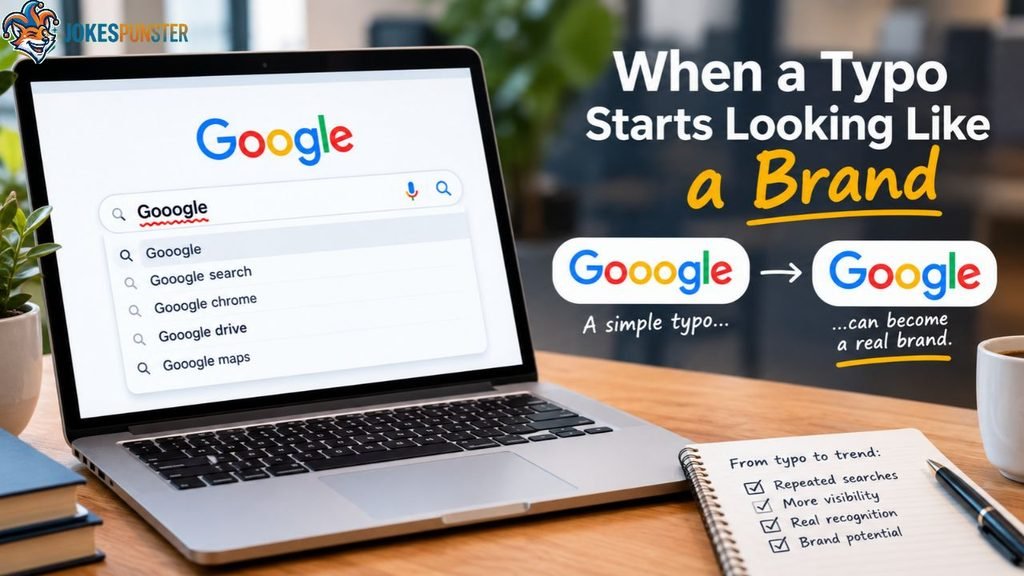
Some internet terms develop an identity of their own, even when their origins are unclear. A spelling variation may be repeated so often that people begin treating it like the name of an established product.
Methatreams raises an interesting question in this context: when does an unfamiliar search term become recognizable enough to look like a brand?
Brand recognition usually develops through repeated exposure. People remember names they see in search results, online discussions, advertisements, and social media posts. Over time, familiarity can create an impression of legitimacy.
However, recognition and credibility are different things.
A name may be widely mentioned without having an identifiable owner, an established business behind it, or a dependable service associated with it. A polished website can create a professional appearance without providing sufficient evidence of reliability.
This is why readers should look beyond branding.
A trustworthy service should make its identity and terms reasonably clear. Depending on the service, useful indicators may include transparent ownership information, understandable privacy policies, clear subscription details, and evidence that its content is properly authorized.
An unfamiliar name does not necessarily indicate a problem, just as a familiar name does not guarantee safety.
The best approach is to evaluate what can actually be verified rather than making assumptions based on spelling, popularity, or appearance.
The Role of SEO Pages
Search engine optimization, commonly called SEO, helps websites make their content easier to discover through search engines. When people repeatedly search for a term such as Methatreams, publishers may create articles that address the questions surrounding it.
Some pages aim to provide genuine explanations. Others may focus primarily on attracting visitors through popular keywords.
For example, a publisher might create an article explaining the possible meaning of a term, why sports fans search for it, and how to identify trustworthy streaming services. That content can be useful if it is accurate and clearly distinguishes verified facts from uncertainty.
A different publisher might repeat the keyword throughout a page without offering meaningful information. Such content can leave readers with more questions than answers.
Good SEO should serve the reader first.
A helpful article should:
- Explain the topic clearly near the beginning.
- Address the questions readers are most likely to have.
- Distinguish confirmed information from speculation.
- Avoid exaggerated promises about free access or live matches.
- Offer practical advice that readers can apply.
- Use keywords naturally instead of repeating them excessively.
SEO can help useful information reach the right audience. But optimization alone does not make an article accurate.
For Methatreams and similar search terms, the strongest content is not necessarily the page that mentions the keyword most often. It is the page that explains the available evidence honestly and helps readers make informed decisions.
The Copycat Website Problem
One of the biggest challenges with unfamiliar online terms is identifying which websites, if any, are genuinely associated with them.
A copycat website may imitate another site’s name, colors, layout, or branding. Its purpose could range from attracting advertising traffic to collecting personal information or encouraging users to download unsafe files.
This is not a problem unique to streaming websites. Similar tactics appear in shopping, banking, social media, software downloads, and other areas of the internet.
A person searching for Methatreams may encounter pages that use similar wording while offering very different services. Without clear ownership information, it can be difficult to determine whether those pages are connected.
Several warning signs deserve attention:
- Unclear ownership: The website provides little meaningful information about who operates it.
- Suspicious redirects: Clicking a button repeatedly opens unrelated pages.
- Unexpected downloads: The site asks you to install unfamiliar software to watch content.
- Excessive permissions: A page requests access to information that seems unrelated to its purpose.
- Unrealistic promises: The site guarantees access to every premium event without explaining how the content is authorized.
- Pressure tactics: Countdown timers or alarming messages push you to act immediately.
One warning sign alone does not establish that a website is malicious. However, several warning signs together are a good reason to leave.
Avoid entering payment details, passwords, or personal information on websites you cannot verify. If you have already downloaded a suspicious file, do not open it, and use reputable security software to check your device.
Why Free Sports Streaming Terms Spread So Fast
Sports are emotional. Fans follow their favorite teams through winning streaks, difficult losses, rivalries, and unforgettable moments. Missing an important game can feel frustrating, especially when a match is not available through a familiar service.
Cost is another important factor. Some viewers cannot afford several subscriptions, particularly when different competitions require different broadcasters.
These circumstances help explain why people search for free streaming options and unfamiliar terms connected to them.
Convenience also plays a role. A viewer may be away from home, traveling, or using a device that does not support a preferred television service. A quick search can seem like the easiest solution.
Social sharing adds another layer. When someone posts a streaming-related term in a group chat, other fans may search for it simply because they do not want to miss the action.
However, interest in free streaming does not establish that a particular website is legitimate, reliable, or safe.
Unauthorized streaming sites may disappear without warning, show misleading advertisements, or expose visitors to questionable redirects. Some may also claim to provide content they do not actually have permission to distribute.
Fans can reduce these risks by checking official league websites, authorized broadcasters, legitimate subscription services, and free coverage offered directly by rights holders.
The goal is not to make watching sports complicated. It is to find an option that works without putting your device, personal information, or money at unnecessary risk.
The Industry Controversy Behind the Word
Streaming has transformed how people watch sports and entertainment. Viewers increasingly expect content to be available across phones, tablets, computers, and smart televisions.
At the same time, broadcasting rights remain an important part of the entertainment industry. Leagues, clubs, production companies, and broadcasters may negotiate agreements that determine where particular events can legally be shown.
This creates a complicated environment for viewers.
A website might advertise access to a popular match, but the advertisement alone does not establish that the website has permission to distribute the event. The legal position can depend on the content, the rights involved, and the jurisdiction.
Unauthorized distribution can affect rights holders and legitimate broadcasters. Viewers may also face practical problems when unofficial services disappear, change addresses, or rely on intrusive advertisements.
It is important not to assume that every unfamiliar streaming term is connected to illegal activity. The word Methatreams itself does not establish the legal status of any particular website.
Instead, the relevant questions concern the actual service, its operators, the content being distributed, and whether the necessary permissions exist.
For viewers, checking authorized sources is a straightforward way to avoid much of this uncertainty.
Why Readers Should Not Trust Every “Streaming Guide”
A streaming guide can look informative while providing very little verified information. Some articles use confident language, attractive headings, and promises of easy access without explaining where their claims came from.
This can be especially confusing when readers are unfamiliar with the term they searched for.
A guide might describe a website as reliable, popular, or completely safe. Unless those claims are supported by credible evidence, readers should treat them cautiously.
Here are several questions worth asking before trusting a guide:
Does it identify the service clearly?
A useful guide should distinguish between a recognized platform, an unofficial website, and an uncertain search term.
Does it provide evidence?
Claims about ownership, availability, security, or licensing should not be treated as facts simply because they appear in an article.
Is the information current?
Streaming websites and broadcasting arrangements can change. Old articles may describe services that no longer operate in the same way.
Does it explain risks honestly?
A guide that promises unlimited access while ignoring privacy, security, and legal concerns may not be giving readers the complete picture.
Does it pressure readers to click?
Aggressive pop-ups, suspicious download buttons, and exaggerated claims deserve caution.
A well-written guide should make the situation clearer, not encourage readers to trust a website blindly.
When information cannot be verified, a responsible article should say so. Honest uncertainty is more useful than an impressive-sounding claim without evidence.
The Human Side of a Search Mistake
It is easy to blame people for searching an unfamiliar word or opening a questionable website. In reality, online mistakes often happen because people are busy, distracted, curious, or simply trying to solve a problem quickly.
Imagine a fan who finishes work just before an important match. They open their phone, type a name they vaguely remember, and click the first result that promises a live stream.
They may not intend to take a risk. They simply want to watch their team play.
The same pattern occurs in many other situations. Someone searching for a software update may encounter a fake download page. A shopper looking for a discount may land on a misleading store. A person trying to access an account may mistake a fraudulent login page for the real thing.
These situations show why online safety should not depend entirely on expecting people to make perfect decisions.
Clear information, trustworthy services, secure devices, and better digital habits all help.
If you have searched for Methatreams without understanding what it refers to, there is no reason to feel embarrassed. The internet contains countless unfamiliar terms, and their meanings are not always obvious.
The useful response is to pause, verify the information, and avoid sharing personal details until you understand what you are dealing with.
A few seconds of caution can prevent a much bigger problem.
Safer Ways to Think About Streaming Searches
Finding reliable streaming options does not require complicated technical knowledge. A few practical habits can make the process easier and safer.
- Start with official sources. Check the website of the sports league, tournament, club, or broadcaster to identify authorized viewing options.
- Verify the website’s identity. Read its ownership information, terms, and privacy policy. Look for inconsistencies rather than relying on appearance alone.
- Avoid suspicious downloads. A website should not be trusted simply because it claims that a special player or extension is necessary. Install software only from sources you can verify.
- Protect your accounts. Never reuse important passwords on unfamiliar websites. A password manager and multifactor authentication can provide additional protection.
- Be careful with payment requests. Check the provider’s identity, pricing, cancellation rules, and reputation before entering payment information.
- Keep your device updated. Updated operating systems, browsers, and reputable security tools can help reduce exposure to known threats.
- Use legitimate free options where available. Some broadcasters and rights holders offer free highlights, selected live events, radio commentary, or official match updates.
- Leave when something feels wrong. Unexpected redirects, repeated fake alerts, and requests for unnecessary personal information are good reasons to stop.
These steps are useful beyond Methatreams. They apply to almost any unfamiliar streaming term or website you encounter online.
The internet offers plenty of convenient ways to follow sports. Choosing carefully helps you enjoy them with fewer surprises.
What Methatreams Teaches About Online Misinformation
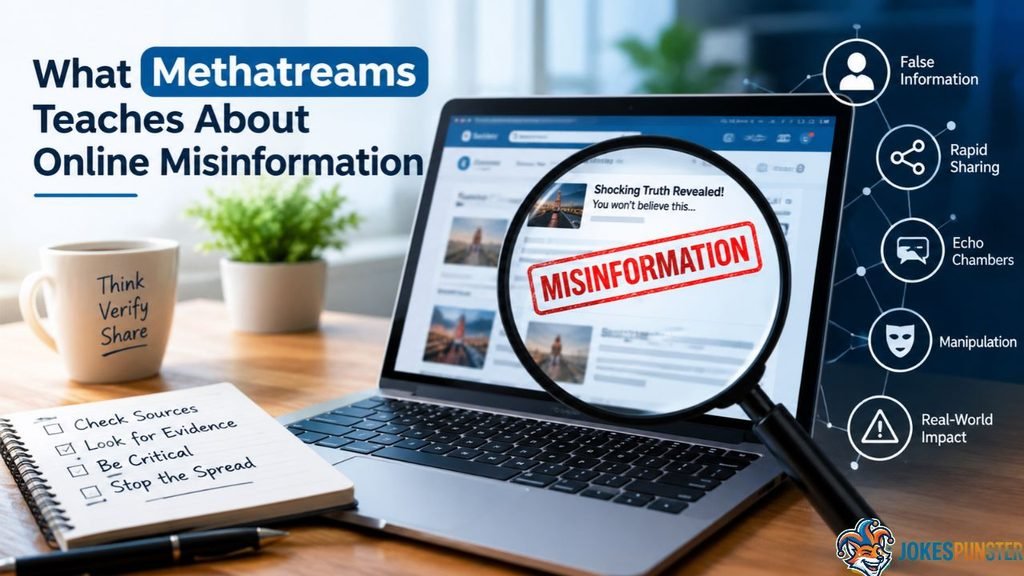
Methatreams illustrates a wider challenge of the digital age: repeated exposure can make uncertain information seem familiar, and familiarity can be mistaken for truth.
A term appears in a search. Several pages discuss it. Social media users repeat it. Eventually, people may assume that the name represents a well-established service, even when its origin and identity remain unclear.
This process is not proof that misinformation has occurred in every case. It demonstrates why context and verification matter when evaluating unfamiliar information.
There is also an important lesson for content creators.
Publishing an article about a trending keyword carries a responsibility to explain what is known and what remains uncertain. Writers should not invent an official company, claim that a service is safe without evidence, or present speculation as established fact just to attract search traffic.
Readers benefit when publishers are transparent about limitations and careful with their wording.
Search engines, meanwhile, are tools for discovering information, not guarantees that every result is correct. A high-ranking page still needs to be evaluated on its own merits.
The best defense against online misinformation is a combination of curiosity and healthy skepticism. Ask questions, look for independent confirmation, and resist the urge to believe something simply because it appears repeatedly.
A strange word can become a useful reminder that the internet rewards visibility, but visibility and truth are not the same thing.
Frequently Asked Questions
What is Methatreams?
Methatreams is a term associated with online streaming searches, particularly sports-related searches. Its exact origin and official status are not clearly established.
Is Methatreams an official streaming platform?
There is insufficient verified information to establish Methatreams as an official streaming platform. Check independent sources before trusting claims about it.
Is Methatreams safe to use?
Safety cannot be confirmed from the name alone. Avoid suspicious downloads, unexpected redirects, and websites that request unnecessary personal information.
Why do people search for Methatreams?
People may encounter the term while looking for sports streams, following online discussions, or searching for unfamiliar streaming-related names.
What is the safest way to watch live sports online?
Use official league websites, authorized broadcasters, and legitimate streaming services. These options help reduce security risks and uncertainty about viewing rights.
Conclusion
Methatreams is an interesting example of how an unfamiliar online term can raise questions about search behavior, sports streaming, website credibility, and digital safety. Its exact origin and status should not be assumed without reliable evidence.
For sports fans, the practical lesson is straightforward: do not judge a streaming service by its name, appearance, or position in search results alone. Check its identity, understand the risks, and look for authorized ways to watch your favorite events.
For readers and content creators, the same principle applies to information itself. A popular keyword can attract attention, but useful explanations require accuracy, context, and honesty.
The internet is full of new terms, changing trends, and unfamiliar websites. You do not need to know everything immediately. You simply need to know how to check what you find.
That small habit can make every search more informed, more confident, and considerably safer.